Master On-Camera Skills with AI Interview Practice

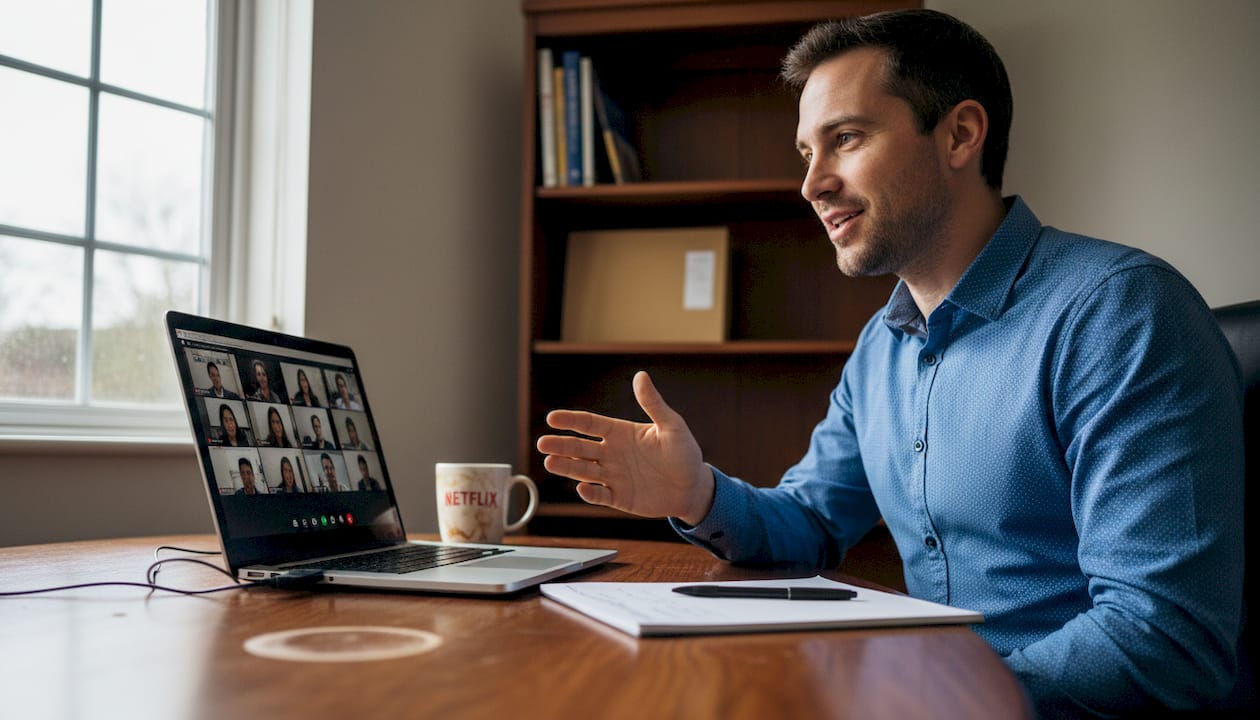
Nervous about facing your next virtual interview, especially when English is not your first language? Mastering on-camera interviews is now a key step for ambitious mid-level professionals targeting senior positions in global tech. Setting up a comprehensive digital practice environment and making intelligent use of AI-driven feedback tools enables personalised, measurable progress and helps build genuine confidence for high-stakes interviews.
Table of Contents
- Step 1: Set Up Essential Tools For AI Interview Practice
- Step 2: Prepare Answers To Common Interview Questions
- Step 3: Record Responses And Analyse Communication
- Step 4: Apply AI Feedback To Refine Your Delivery
- Step 5: Track Progress And Strengthen Interview Skills
Quick Summary
| Key Point | Explanation |
|---|---|
| 1. Select the Right AI Tool | Choose a platform with features like video recording and speech analysis to enhance your interview practice. |
| 2. Prepare Structured Responses | Use the STAR method for crafting answers, ensuring they effectively convey your experiences and skills. |
| 3. Record and Analyse Your Practice | Systematically record interviews and analyse performances for clarity, tone, and structure improvements. |
| 4. Integrate AI Feedback | Apply AI insights to refine communication skills, focusing on key areas for ongoing improvement. |
| 5. Track Your Progress Regularly | Maintain a detailed portfolio documenting your development and set clear, achievable goals for improvement. |
Step 1: Set Up Essential Tools for AI Interview Practice
Preparing for on-camera interviews requires strategic technological setup and smart tool selection. Your goal in this step is to establish a comprehensive digital practice environment that enables realistic, feedback-driven interview rehearsals.
Begin by selecting a dedicated AI interview preparation platform that offers comprehensive mock interview simulations. These platforms typically provide key features such as:
- Automated video recording capabilities
- Real-time speech analysis
- Confidence and clarity metrics
- Structured response evaluation
Your technical requirements should include a reliable computer or smartphone with:
- High-quality webcam
- Clear microphone
- Stable internet connection
- Quiet, well-lit recording space
Choose platforms that align with UNESCO’s AI competency guidelines, ensuring ethical and responsible AI practice tool usage.
Here’s how leading AI interview preparation platforms differ in their strengths:
| Platform Type | Best For | Key Distinctive Feature | Potential Limitation |
|---|---|---|---|
| Customisable Simulation Tool | Personalisation | Tailored interview question sets | May require manual set-up |
| Analytics-Focused Platform | Detailed self-review | In-depth feedback with progress charts | Can feel overwhelming initially |
| Quick Practice App | On-the-go practice | Fast, mobile-friendly mock interviews | Limited advanced analysis |
| Academic-Guided Solution | Ethical assurance | Alignment with formal AI guidelines | Fewer commercial features |
Selecting the right AI interview practice tool can transform your preparation from generic advice to personalised, actionable feedback.
Pro tip: Allocate at least 30 minutes weekly for consistent AI-assisted interview practice to build genuine confidence and communication skills.
Step 2: Prepare Answers to Common Interview Questions
Mastering interview responses requires strategic preparation and thoughtful articulation of your professional narrative. Your objective is to develop compelling, concise answers that demonstrate your unique value proposition and align with the specific role you are pursuing.
Start by studying common interview question types, focusing on key categories such as:
- Behavioural questions about past experiences
- Situational questions exploring problem-solving skills
- Career progression and professional motivation queries
- Personal strengths and development opportunities
Utilise the STAR method when constructing your responses, which involves:
- Situation: Briefly describe the context
- Task: Explain your specific responsibility
- Action: Detail the steps you took
- Result: Share the quantifiable outcome
Prepare tailored answers by reviewing professional experience narratives that highlight your leadership capabilities and alignment with the role.
Crafting interview responses is an art of storytelling that transforms your professional history into a compelling narrative of potential and promise.
Pro tip: Practice your responses aloud, recording yourself to assess clarity, confidence, and pacing, ensuring your delivery sounds natural and authentic.
Step 3: Record Responses and Analyse Communication
Transforming interview practice into meaningful skill development requires systematic recording and comprehensive analysis of your communication performance. Your goal is to capture your responses objectively and leverage advanced technological insights to refine your interview technique.
Utilise AI-assisted interview analysis tools to gain deep insights into your communication patterns, focusing on critical evaluation aspects such as:
- Verbal clarity and pronunciation
- Pacing and speech rhythm
- Confidence level and tone variation
- Non-verbal communication cues
- Structural coherence of responses
Implement a structured approach to recording and review:
- Record Completely: Capture full interview responses without interruption
- Review Objectively: Analyse recorded content without emotional bias
- Identify Improvement Areas: Note specific communication elements needing refinement
- Track Progress: Compare recordings across multiple practice sessions
Advanced interview data processing techniques can transform your raw recordings into actionable developmental insights, reducing subjective evaluation and enhancing performance precision.
Communication mastery emerges not from perfection, but from persistent, data-driven self-reflection and targeted improvement.
Pro tip: Create a dedicated practice folder where you systematically archive interview recordings, enabling longitudinal tracking of your communication evolution.
Step 4: Apply AI Feedback to Refine Your Delivery
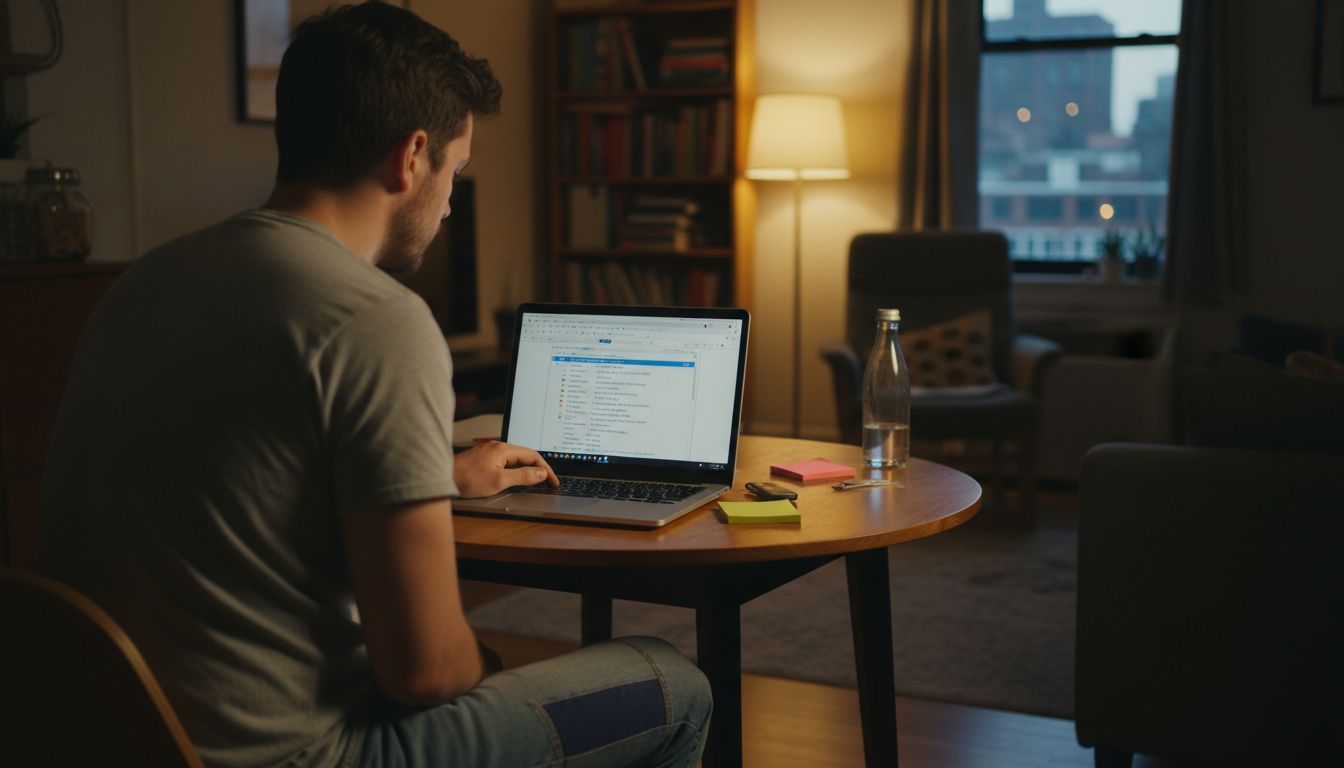
Transforming raw interview practice into polished communication requires strategic interpretation of AI-generated insights. Your mission is to convert detailed feedback into actionable improvements that elevate your on-camera performance.
Leverage personalised AI feedback mechanisms by systematically addressing key communication dimensions, including:
- Verbal articulation precision
- Emotional tone management
- Structural response coherence
- Non-verbal communication subtleties
- Confidence projection techniques
Implement a structured approach to feedback integration:
- Review Objectively: Analyse AI recommendations without emotional defensiveness
- Prioritise Improvements: Focus on 2-3 critical communication elements per practice session
- Experiment Deliberately: Test modified communication strategies
- Validate Progress: Compare subsequent recordings against previous performance
Apply ethical AI feedback integration strategies that maintain human oversight and contextual understanding.
Continuous improvement emerges from embracing constructive feedback as a pathway to communication mastery.
Pro tip: Create a personal feedback journal documenting AI insights, tracking your communication evolution with meticulous self-reflection.
Step 5: Track Progress and Strengthen Interview Skills
Continuous improvement in interview performance requires systematic tracking and strategic skill development. Your objective is to transform scattered practice sessions into a structured journey of professional communication enhancement.
Employ comprehensive interview skill tracking methods that focus on measurable progress indicators:
- Quantitative performance metrics
- Qualitative communication skill improvements
- Confidence level progression
- Response complexity and clarity
- Non-verbal communication refinement
Implement a robust tracking strategy through:
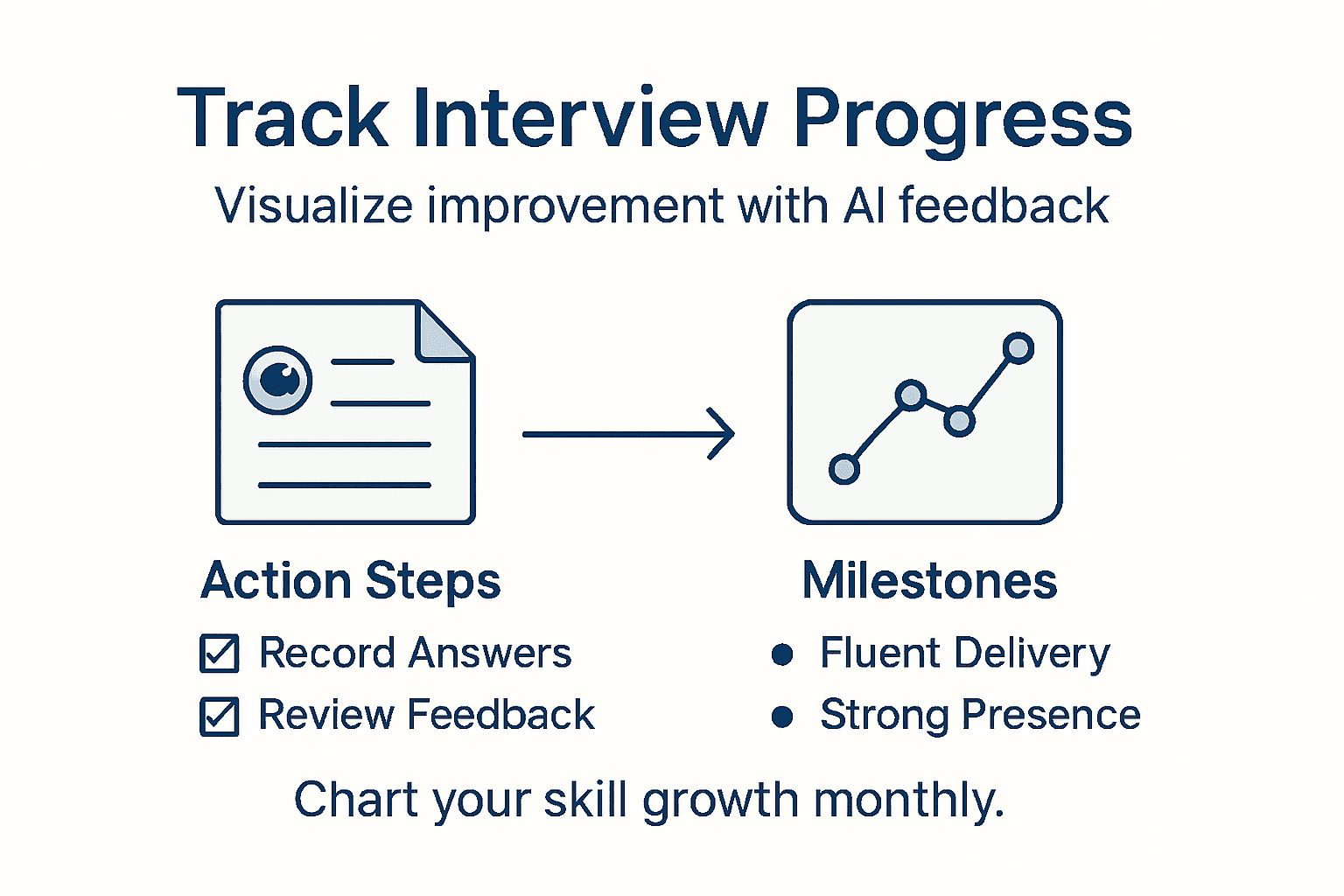
- Establish Baseline: Record initial interview performance
- Set Specific Goals: Define clear, achievable communication objectives
- Regular Assessment: Review recordings every two weeks
- Comparative Analysis: Map improvements across multiple practice sessions
Maintain a detailed development portfolio that documents your communication evolution, highlighting specific areas of growth and targeted improvements.
Your interview skills are not fixed; they are a dynamic landscape of continuous learning and strategic refinement.
Pro tip: Create a visual progress dashboard that graphically represents your communication skill development, making your improvement journey both motivating and transparent.
Use this table to track your interview preparation and skill improvement over time:
| Practice Stage | What to Focus On | Evidence of Progress | Common Pitfall |
|---|---|---|---|
| Initial Setup | Tool configuration | Stable, clear recordings | Poor audio/video quality |
| Response Writing | STAR method responses | Concise, structured answers | Rambling explanations |
| Performance Review | Analytical self-evaluation | Reduced filler words | Ignoring feedback cues |
| Feedback Action | Integration of AI advice | Noticeably stronger delivery | Addressing all at once |
| Tracking Progress | Visual dashboards | Visible improvement trends | Inconsistent logging |
Elevate Your On-Camera Interview Skills with Pavone.ai
Mastering on-camera communication is about more than just knowing what to say it requires practising clear, confident delivery and receiving precise feedback. This article highlights the challenges of preparing for interviews using AI tools that analyse clarity, structure, confidence, pacing, and filler words. If you struggle with speaking on camera or want to refine your interview presence Pavone.ai offers a simple, private platform that transcribes your answers and delivers actionable insights to help you sound more senior and concise every time.
With Pavone.ai you can:
- Practise real interview questions anytime without setup or pressure
- Receive detailed feedback on your voice tone, pacing, and response structure
- Track your improvement across sessions to build genuine confidence
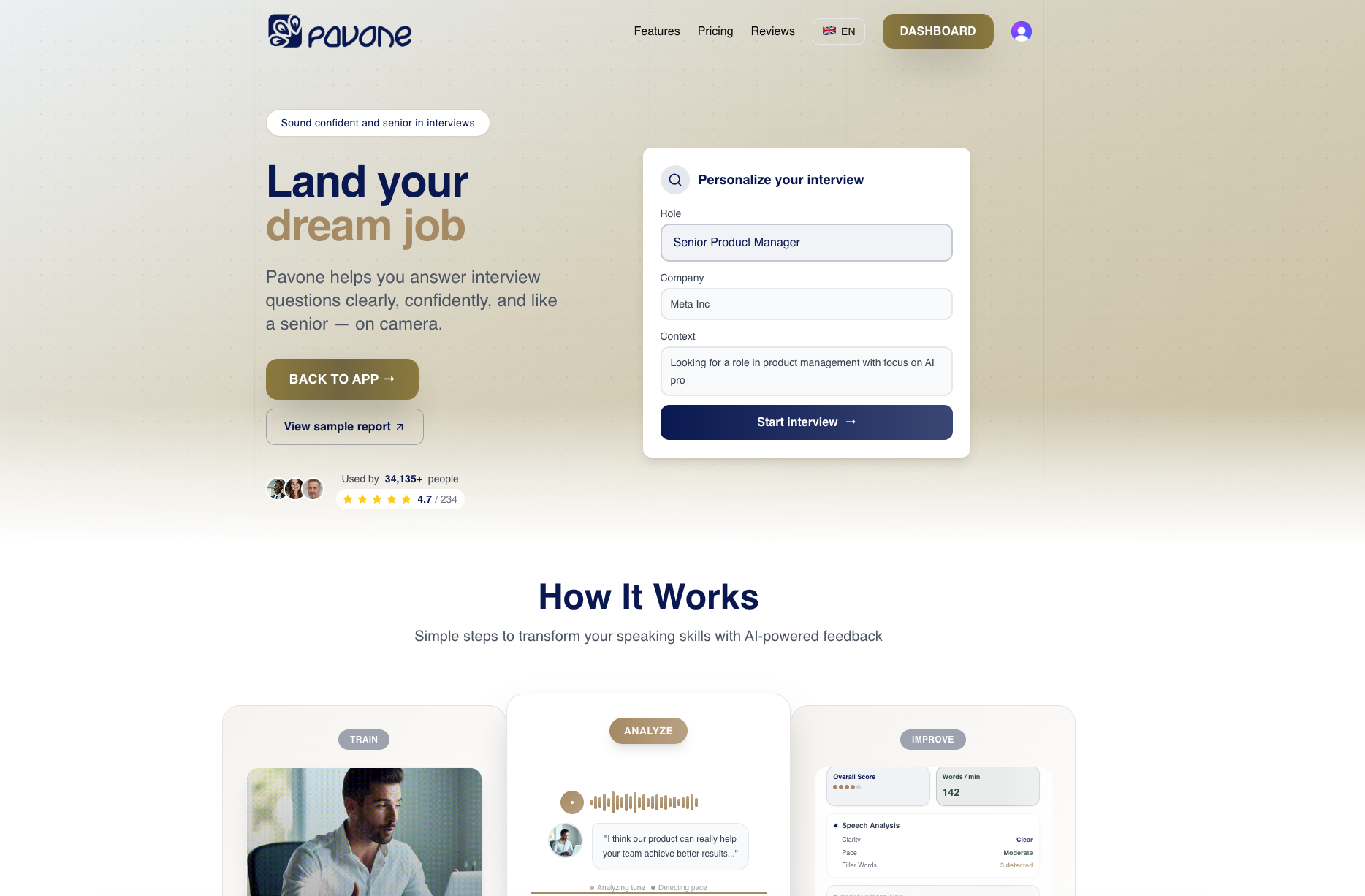
Don’t just prepare your answers prepare how you communicate them. Visit Pavone.ai today to experience a personal interview coach available 24/7. Start improving your performance now and reduce anxiety with a proven on-camera interview practice platform designed to fit naturally into your busy schedule. Discover how to master your delivery and impress interviewers with every answer at Pavone.ai.
Frequently Asked Questions
How can I set up my tools for AI interview practice?
To set up your tools, choose a reliable AI interview preparation platform, and ensure you have a high-quality webcam, clear microphone, and stable internet connection. Dedicate at least 30 minutes weekly to practice with these tools to develop your on-camera skills effectively.
What common interview questions should I prepare for?
Focus on common interview question types like behavioural, situational, and motivation-related queries. Review and prepare your answers using the STAR method, crafting concise responses that highlight your professional narrative.
How do I record my interview responses for analysis?
Record your full interview responses using a webcam or smartphone, ensuring to capture them without interruptions. After recording, objectively review the content to identify areas for improvement in your communication style and clarity.
What types of feedback can AI tools provide for my interview performance?
AI tools can offer feedback on verbal clarity, pacing, non-verbal cues, and structural coherence of your responses. Use this feedback to focus on 2-3 key areas per practice session to enhance your delivery.
How can I track my progress in improving my interview skills?
Establish a baseline by recording your initial interview performance, then set specific communication goals. Regularly assess and compare new recordings to track improvements and adjust your practice strategies accordingly.
What should I include in my feedback journal for AI-generated insights?
In your feedback journal, document AI insights regarding your verbal articulation, emotional tone, and areas needing refinement. Reviewing this journal regularly can help you validate your progress and ensure you are on track with your communication development.
Recommended
- Job Interview Preparations for Confident Video Responses | Pavone Academy
- Job Interview Preparation: Achieving Confident Delivery | Pavone Academy
- How Do I Prepare for Interview: Achieve Clear Confident Delivery | Pavone Academy
- How to Get a Job: A Step-by-Step Guide for Tech Pros | Pavone Academy
- 5-Day Online AI Bootcamp - Nomad Excel - Your Entrepreneurial Adventure Starts Here
- How to Pass a TEFL Job Interview (7 Questions + Demo Lesson)
Ready to practice?
Start improving your speaking skills with AI-powered feedback and analysis.
Try Pavone Free