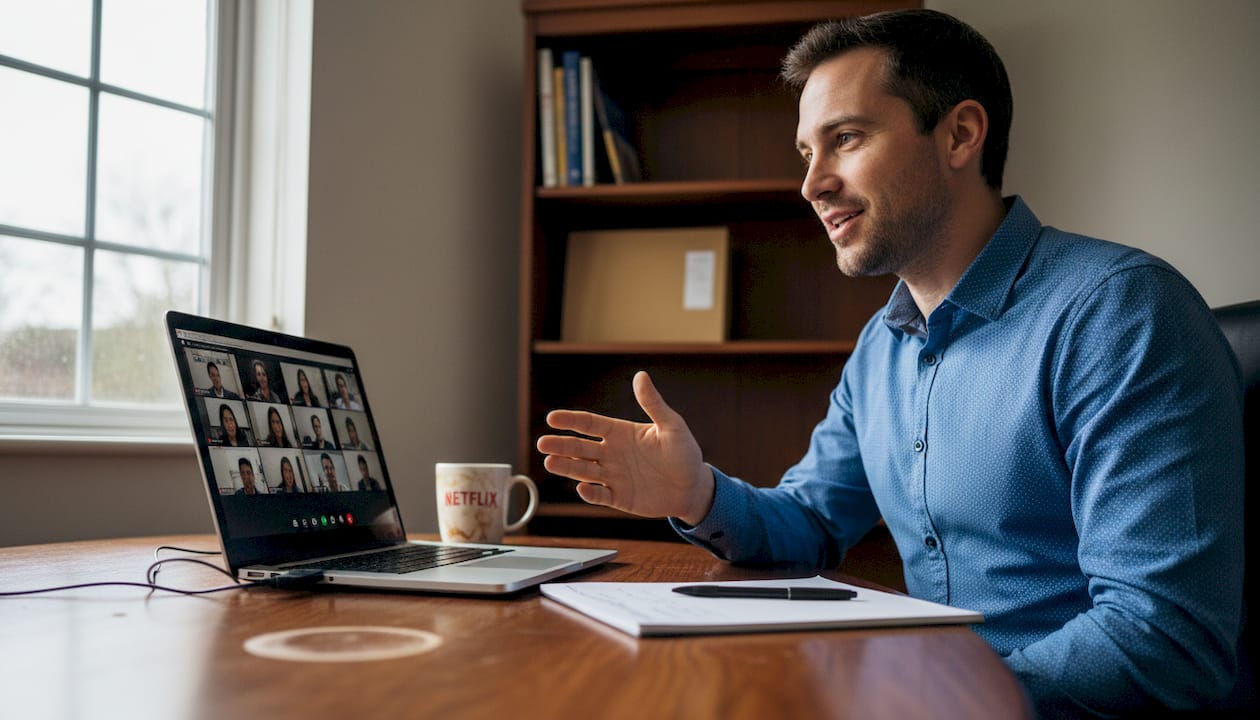
Why Practice Speaking Matters for Interview Success

Facing a challenging interview room is a familiar hurdle for many European tech professionals who aim for senior roles. Effective interview communication goes far beyond simply knowing the technical answers, especially for non-native English speakers. By focusing on structured interview speaking practice, candidates gain the confidence and clarity needed to perform under pressure, mastering techniques that transform nervous energy into articulate responses. Discover practical methods to refine your real-life communication skills and overcome common barriers—setting yourself apart in competitive interviews.
Table of Contents
- Defining Practice Speaking For Interviews
- Key Obstacles To Effective Communication
- How Speaking Practice Improves Performance
- Techniques To Enhance Answer Delivery
- Tracking Progress And Real Interview Impact
Key Takeaways
| Point | Details |
|---|---|
| Structured Practice Enhances Communication | Systematic rehearsal helps candidates develop fluency and confidence necessary for effective interviews. |
| Overcoming Communication Barriers | Recognising and addressing psychological, linguistic, and cultural obstacles is vital for clear dialogue. |
| Dynamic Answer Delivery Techniques | Mastering techniques such as the STAR method and controlling pace can significantly improve interview responses. |
| Progress Tracking Is Essential | Implementing structured feedback systems enables candidates to quantify improvements and refine their skills effectively. |
Defining Practice Speaking for Interviews
Practice speaking for interviews is a structured approach to enhancing communication skills specifically designed for professional dialogue scenarios. Interview speaking practice involves systematically rehearsing verbal interactions to improve confidence, clarity, and coherence during job interviews.
The core components of effective speaking practice include:
- Developing fluent response techniques
- Organizing thoughts logically and concisely
- Reducing interview-related communication anxiety
- Building vocabulary relevant to professional contexts
- Improving non-verbal communication signals
Communication experts suggest that structured speaking activities help candidates master the interactive skills essential for successful interviews. These activities focus on real-life communication techniques such as asking clarifying questions, responding appropriately, and maintaining professional dialogue flow.
Practicing interview speaking goes beyond memorising answers. It involves developing a dynamic communication strategy that allows candidates to adapt their language and tone to different interview environments. By repeatedly simulating interview scenarios, professionals can develop muscle memory for articulate, confident responses.
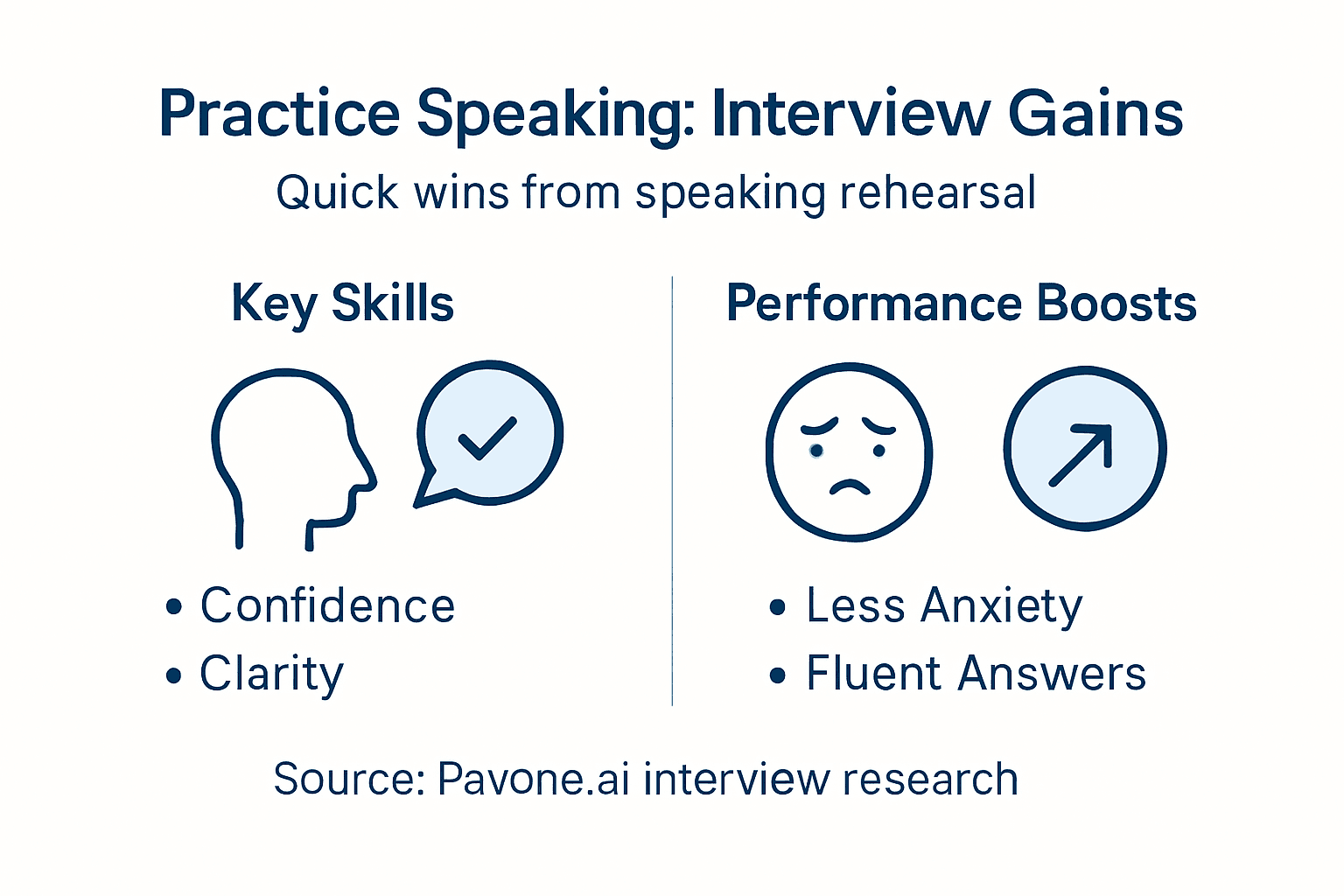
Pro tip: Record yourself answering typical interview questions to identify verbal patterns, filler words, and areas requiring improvement in your communication style.
Key Obstacles to Effective Communication
Interviews present complex communication challenges that can significantly impact a candidate’s performance. Communication barriers in professional settings stem from multiple interconnected factors that disrupt clear, confident dialogue.
The primary obstacles to effective communication during interviews include:
- Psychological barriers like interview anxiety
- Linguistic challenges and vocabulary limitations
- Cultural misunderstandings and communication expectations
- Non-verbal communication misalignments
- Cognitive overload and information processing difficulties
Emotional barriers play a particularly significant role in interview communication. Candidates frequently experience self-doubt, fear of judgment, and nervousness that can dramatically impede their ability to articulate thoughts coherently. These psychological challenges manifest through symptoms like rapid speech, hesitation, or incomplete responses that undermine professional presentation.
Moreover, semantic and cognitive obstacles create additional complexity. Professional jargon, unclear communication patterns, and the high-pressure interview environment can overwhelm candidates, preventing them from effectively processing and responding to questions. Understanding these barriers is crucial for developing targeted strategies to enhance communication performance and project confidence.
Here’s a comparison of common interview communication barriers and suggested mitigation strategies:
| Barrier Type | Impact on Interview | Suggested Mitigation |
|---|---|---|
| Psychological | Reduces confidence | Practice, mindfulness |
| Linguistic | Limits expression | Vocabulary review, rehearsals |
| Cultural | Causes confusion | Research, cultural awareness |
| Non-verbal | Undermines message | Body language practice |
Pro tip: Practice mindfulness techniques before interviews to reduce anxiety and improve cognitive clarity during high-pressure communication scenarios.
How Speaking Practice Improves Performance
Speaking practice techniques transform interview performance by systematically building communication confidence and reducing performance anxiety. Regular rehearsal enables candidates to develop muscle memory for articulate, coherent responses, creating a more natural and compelling dialogue with interviewers.
The key performance improvements from speaking practice include:
- Enhanced verbal fluency
- Reduced interview-related nervousness
- Improved response structure and clarity
- Better non-verbal communication skills
- Increased adaptability to different interview styles
Cognitive preparation plays a critical role in interview success. By repeatedly simulating interview scenarios, candidates develop psychological resilience and learn to manage the physiological stress responses that often derail communication. This repeated exposure helps transform nervous energy into focused, dynamic interaction.
Moreover, consistent speaking practice develops nuanced communication skills beyond simple verbal repetition. Candidates learn to read subtle conversational cues, adapt their communication style in real-time, and maintain a confident, professional demeanour under pressure. These sophisticated interactive communication abilities differentiate outstanding candidates from average performers.
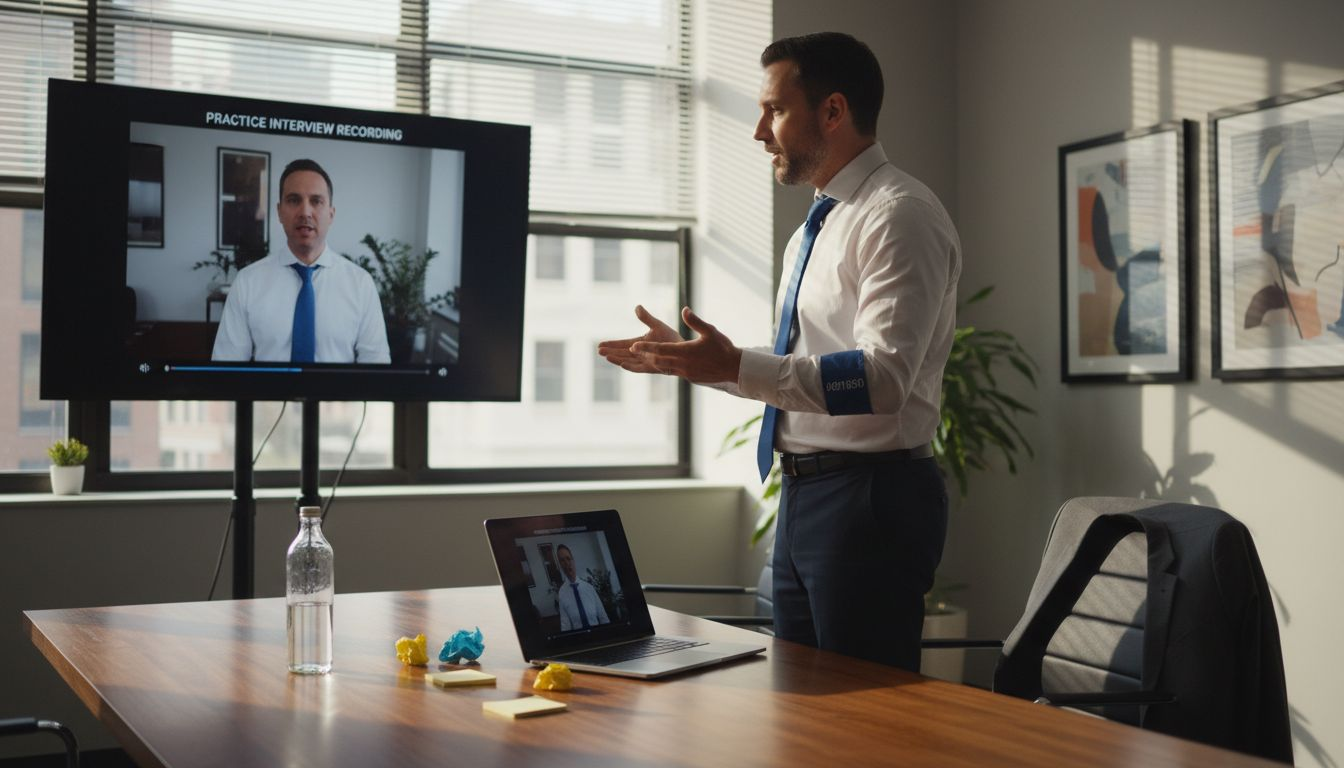
Pro tip: Record and review your practice interviews, analysing your tone, pace, and body language to identify specific areas for improvement.
Techniques to Enhance Answer Delivery
Structured interview response techniques transform candidates’ communication effectiveness by providing systematic approaches to articulating professional experiences and skills. Mastering these techniques enables interviewees to construct compelling, coherent narratives that showcase their capabilities with precision and confidence.
Key techniques for enhancing answer delivery include:
- Implementing the STAR method (Situation, Task, Action, Result)
- Controlling voice modulation and speaking pace
- Using strategic pauses for emphasis
- Maintaining appropriate eye contact
- Providing clear contextual information
- Structuring responses with logical progression
Narrative construction is a critical skill in interview communication. By developing a repertoire of well-crafted stories that highlight professional achievements, candidates can transform standard questions into opportunities to demonstrate their unique value proposition. This approach requires practice in selecting relevant examples, framing them effectively, and delivering them with authentic enthusiasm.
Moreover, technical proficiency in answer delivery goes beyond content. Non-verbal communication plays an equally significant role in how responses are perceived. Candidates must synchronise their body language, tone, and verbal content to create a cohesive, professional presentation that builds trust and credibility with interviewers.
Pro tip: Practice your interview responses in front of a mirror or record video rehearsals to analyse your delivery, identifying areas for improvement in both verbal and non-verbal communication.
Tracking Progress and Real Interview Impact
Interview performance tracking mechanisms enable candidates to systematically measure and improve their communication skills through structured, data-driven feedback. By implementing comprehensive assessment strategies, professionals can transform their interview preparation from subjective practice to objective skill development.
Key components of effective progress tracking include:
- Recording and reviewing video practice interviews
- Analysing verbal and non-verbal communication patterns
- Quantifying improvement through structured feedback metrics
- Identifying specific communication strengths and weaknesses
- Comparing performance across multiple practice sessions
- Setting targeted skill development goals
Performance measurement requires a holistic approach that goes beyond simple self-assessment. Sophisticated tracking methods incorporate multiple evaluation dimensions, including content relevance, communication clarity, confidence levels, and alignment with professional communication standards. This multi-dimensional analysis provides candidates with nuanced insights into their interview readiness.
Moreover, real interview impact emerges from consistent, deliberate practice and reflective learning. Candidates who meticulously track their progress develop a growth mindset, transforming each practice session into an opportunity for targeted skill refinement. By understanding their communication patterns and systematically addressing areas of improvement, professionals can significantly enhance their interview performance and professional presentation.
Below is a summary of key interview tracking tools and their benefits:
| Tracking Tool | Main Purpose | Measured Outcome |
|---|---|---|
| Video Practice Review | Observe verbal/non-verbal cues | Improved articulation, clarity |
| Structured Feedback Metrics | Target specific skills | Identifies strengths and weaknesses |
| Feedback Log | Record progress and goals | Monitors consistent improvement |
Pro tip: Create a structured feedback log after each practice interview, documenting specific observations and actionable improvement strategies.
Elevate Your Interview Speaking with Targeted Practice
The article highlights common challenges like interview anxiety, unclear response structure, and difficulty managing non-verbal communication. These are exactly the pain points that can hold many candidates back from delivering confident, concise answers during interviews. If you want to overcome psychological barriers and improve your communication clarity, practising speaking with immediate, objective feedback is crucial.
At Pavone.ai, you get a personalised interview coach available 24/7 who helps you practise common interview questions on camera in a private, pressure-free environment. The platform transcribes your answers and analyses key aspects like pacing, filler words, confidence, and structure so you can see exactly what to improve. This targeted feedback makes reducing nervousness and mastering interactive communication more achievable.
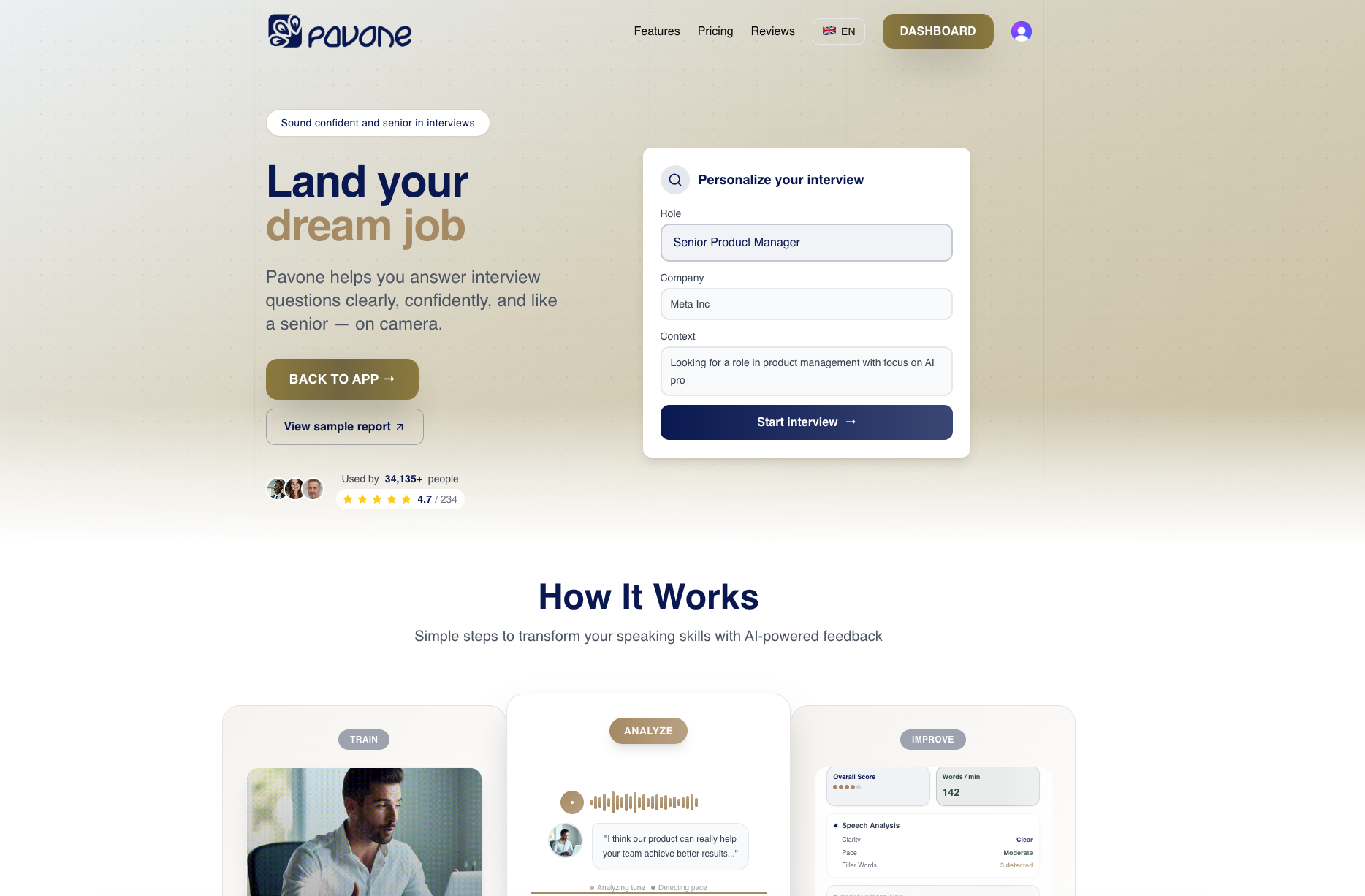
Get started today to track your progress with each practice session and transform your interview speaking skills into your strongest asset. Visit Pavone.ai now to build the clarity, confidence, and professional presence employers are looking for.
Frequently Asked Questions
What is practice speaking for interviews?
Practice speaking for interviews is a structured method aimed at enhancing communication skills specifically for job dialogues, focusing on improving confidence, clarity, and coherence.
How does speaking practice improve interview performance?
Speaking practice helps to build communication confidence, reduces performance anxiety, and leads to smoother and more articulate responses during actual interviews.
What common barriers can affect communication in interviews?
Common barriers include psychological factors like anxiety, linguistic challenges due to limited vocabulary, cultural misunderstandings, and non-verbal communication misalignments.
What techniques can enhance my answer delivery in interviews?
Key techniques include using the STAR method for structuring responses, controlling voice modulation, maintaining eye contact, and employing strategic pauses for emphasis.
Recommended
- How Do I Prepare for Interview: Achieve Clear Confident Delivery | Pavone Academy
- Interviewing for Mid and Senior Roles: Succeed with Confidence | Pavone Academy
- How to Speak Confidently in Job Interviews - Pavone
- Job Interview Preparations for Confident Video Responses | Pavone Academy
- How to Build Hypnotherapy Confidence for Practitioners
- All you need to know for a TEFL job interview – Part 1 - EBC Trinity CertTESOL and TEFL courses
Ready to practice?
Start improving your speaking skills with AI-powered feedback and analysis.
Try Pavone Free