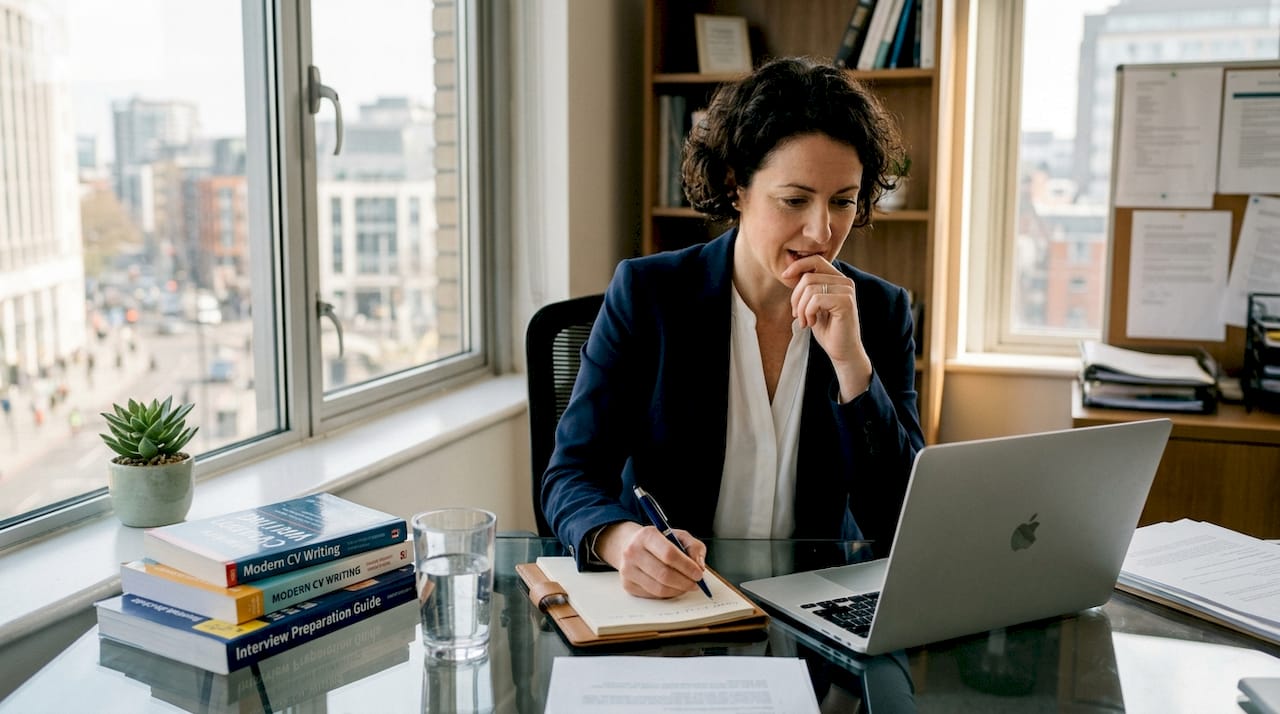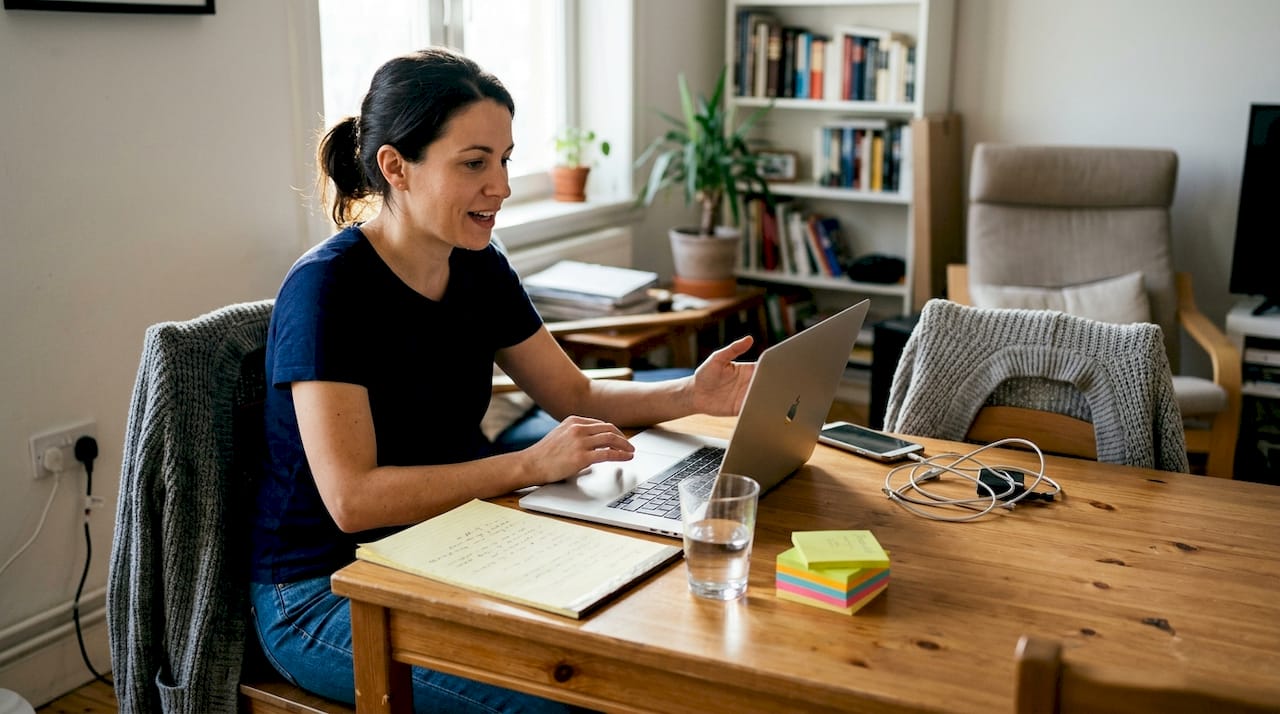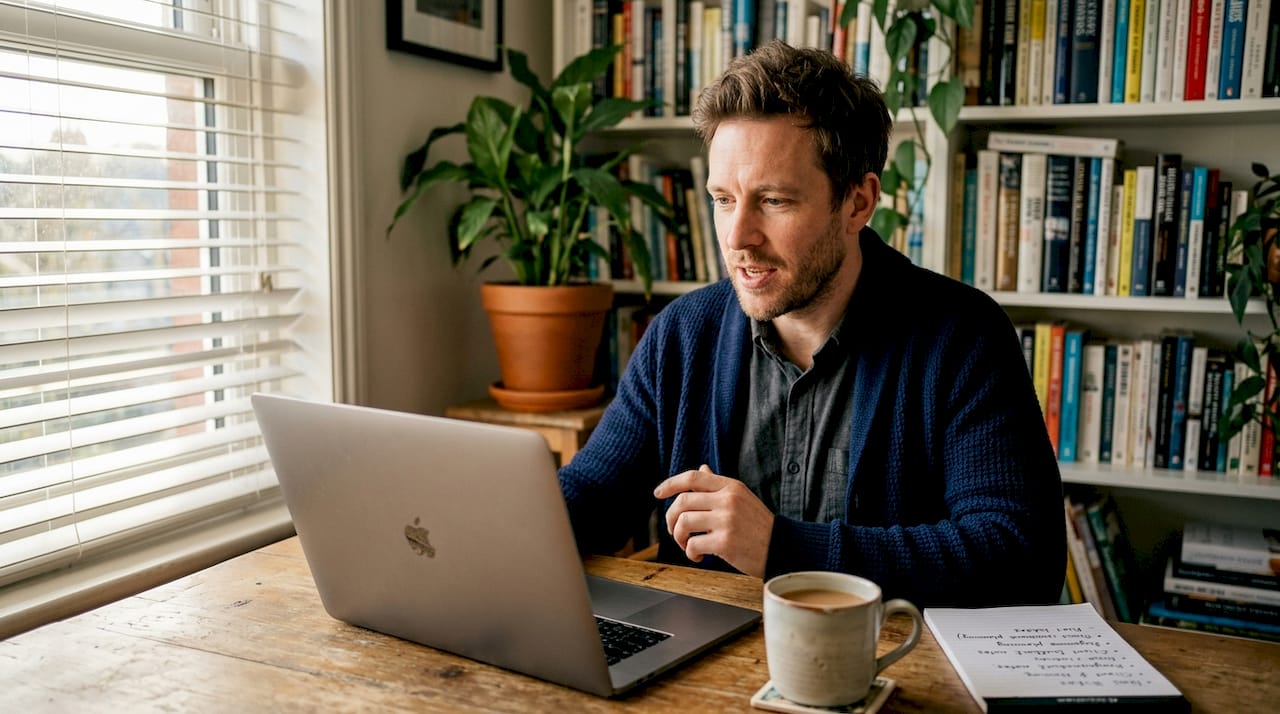
Interview practise on camera: build mid-senior confidence
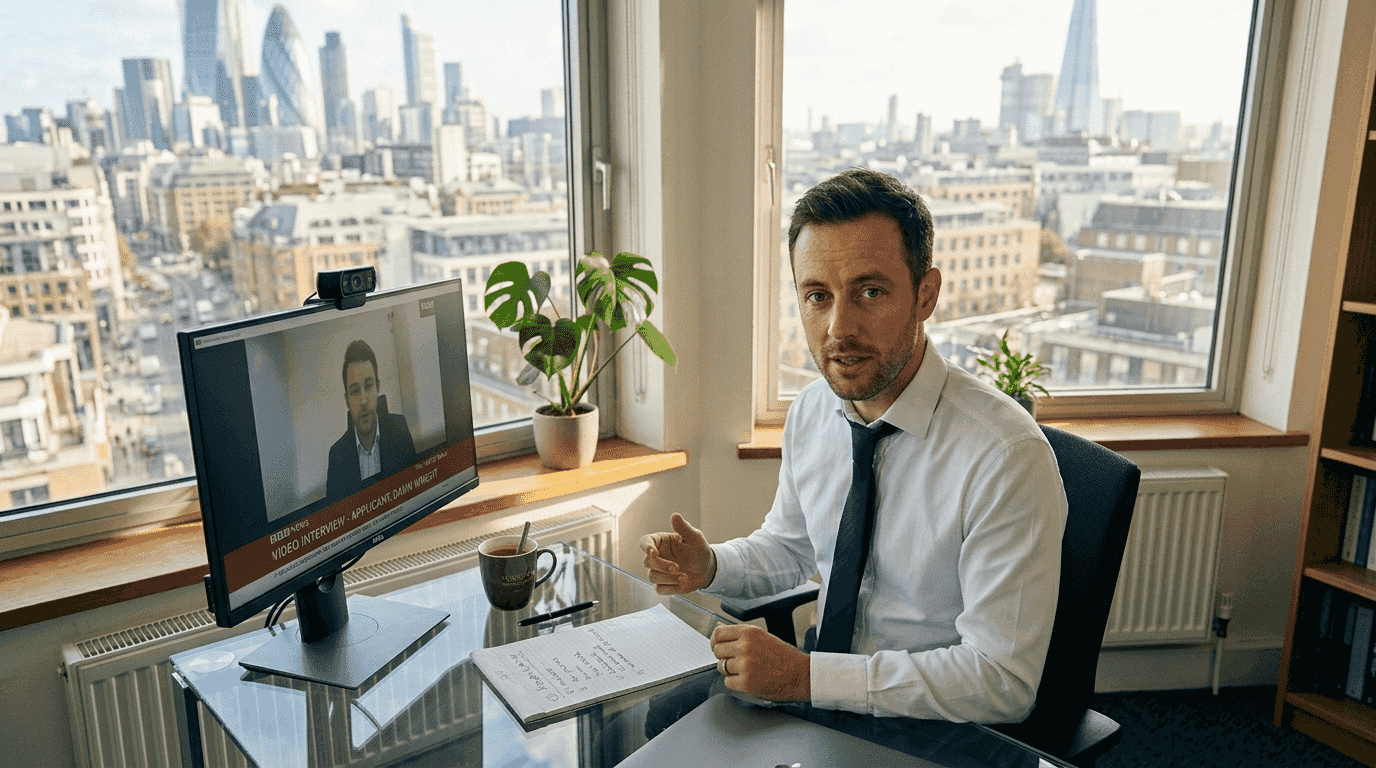
Virtual interviews now account for 68% of senior-level hires, fundamentally changing how professionals present themselves to prospective employers. This shift elevates the importance of on-camera skills, yet many candidates struggle with confidence and presence when speaking to a screen. Whether you’re navigating your first virtual interview or refining your approach for senior roles, understanding how to practise effectively can transform your performance. This guide offers evidence-backed strategies to help you develop authentic camera presence, master digital communication, and approach interviews with greater confidence and clarity.
Table of Contents
- Why Practising Your Interview Skills On Camera Matters More Than Ever
- Methods For Effective Interview Practise: Peer, AI, And Self-Guided Approaches
- Building Camera Confidence: Tips And Techniques For Authentic On-Screen Presence
- How Targeted Practise Improves Your Performance And Confidence In Mid-To-Senior Interviews
- How Pavone Academy Helps You Master On-Camera Interview Practise
- Frequently Asked Questions
Key takeaways
| Point | Details |
|---|---|
| Virtual dominance | Senior-level hiring increasingly happens through video, making on-camera skills essential for career progression |
| Presence matters | How you appear and communicate on screen significantly influences interviewer perception and credibility |
| Practise methods | AI platforms, peer sessions, and self-guided techniques each offer unique benefits for interview preparation |
| Confidence boost | Regular, targeted practise measurably improves delivery clarity, reduces anxiety, and enhances interview outcomes |
Why practising your interview skills on camera matters more than ever
The widespread adoption of virtual interviews has fundamentally altered how hiring managers evaluate candidates for mid-to-senior positions. On-camera presence, once a secondary consideration, now directly impacts how interviewers assess your leadership potential, communication skills, and cultural fit. Video interviews heighten scrutiny of subtle cues like tone, energy, and facial expressions that might go unnoticed in person.
Many professionals underestimate the challenge of translating their in-person confidence to a digital environment. 69% of managers feel uncomfortable communicating when stakes rise, creating higher expectations for candidates who can demonstrate composure under pressure. This discomfort extends to candidates who find themselves struggling with the artificial nature of speaking to a camera lens rather than a human face.
The impact of video presence extends beyond interviews themselves. 75% of executives watch work-related videos weekly, with half actively sharing them, demonstrating how critical on-screen credibility has become across professional contexts. For senior roles where leadership visibility matters, your ability to communicate effectively on camera signals broader competency.
Effective practise addresses several interconnected challenges:
- Managing nervous energy that appears amplified on screen
- Maintaining natural eye contact with the camera rather than your own image
- Projecting warmth and authenticity through a digital medium
- Controlling pacing and eliminating filler words under pressure
- Demonstrating executive presence without physical proximity
“Camera-ready confidence is a learned skill that improves through practice and mindset shifts, not an innate talent reserved for natural performers.”
Technical preparation matters as much as communication skills. Failing basic technology checks or appearing unprepared with lighting and audio instantly lowers perceived professionalism, creating a deficit you must overcome before substantive conversation begins. Practising in realistic conditions helps you identify and resolve these issues before they cost you opportunities.
The shift to virtual hiring also means interviewers conduct more conversations in compressed timeframes, making first impressions even more critical. You have less time to build rapport and demonstrate value, placing greater emphasis on building confidence and clarity from the opening moments. Effective camera practise helps you start strong and maintain momentum throughout the conversation.
Methods for effective interview practise: peer, AI, and self-guided approaches
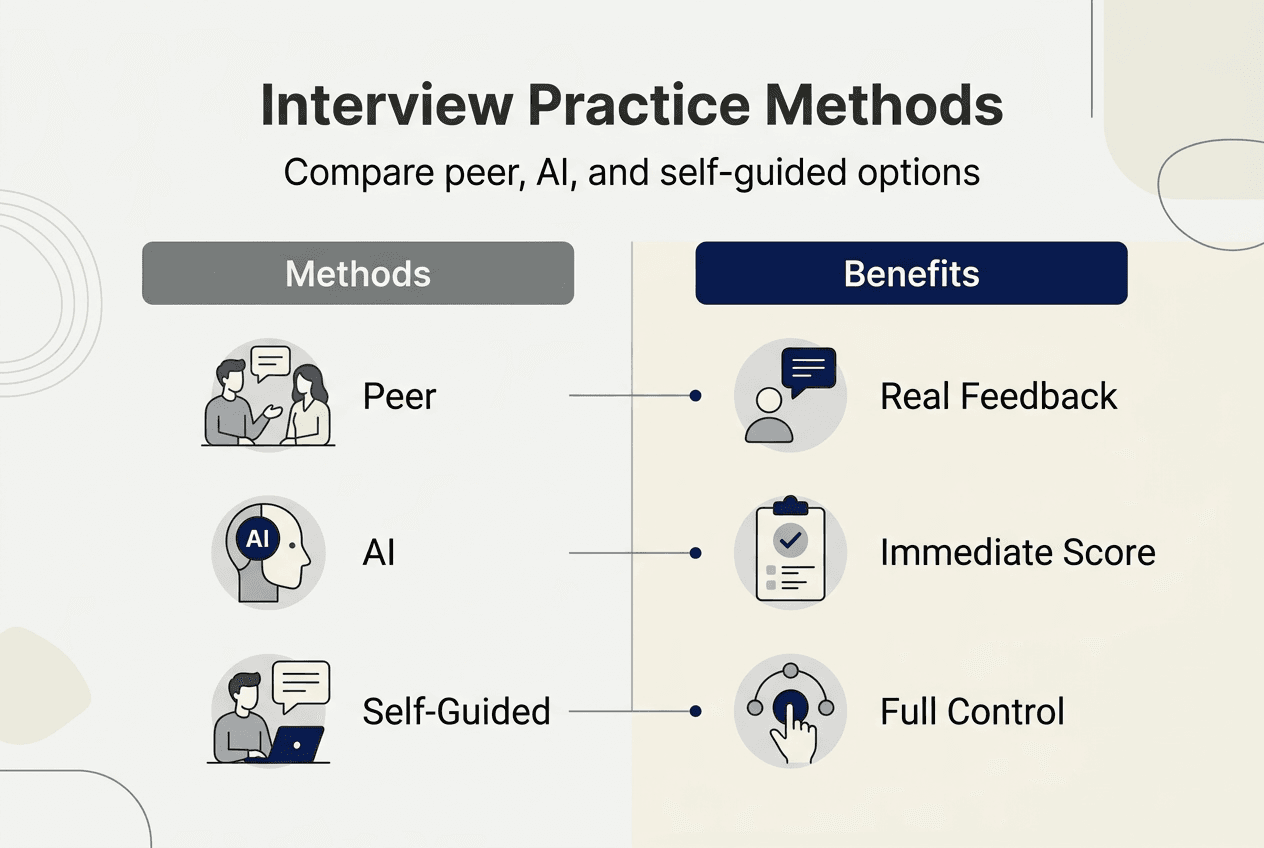
Professionals preparing for senior-level interviews can choose from several practise methods, each offering distinct advantages depending on your specific needs, schedule, and learning preferences. Understanding how these approaches differ helps you create a preparation strategy that addresses your unique challenges.
Peer-to-peer practise involves partnering with colleagues, mentors, or fellow job seekers to conduct mock interviews. This method excels at replicating the human interaction and spontaneity of real conversations. You benefit from genuine reactions, follow-up questions, and the pressure of responding to another person in real time. However, feedback quality depends heavily on your partner’s expertise and interviewing knowledge. A well-meaning friend may miss critical issues with your delivery or provide generic advice that doesn’t address senior-level expectations.
AI-driven mock interviews simulate technical interviews and provide instant, expert-level feedback on multiple dimensions of your performance. These platforms analyse clarity, structure, pacing, confidence markers, and filler word usage, offering specific suggestions for improvement. The technology adapts to your responses, creating realistic scenarios that challenge you appropriately. AI tools also provide privacy and convenience, allowing you to practise sensitive topics or vulnerable moments without judgment.
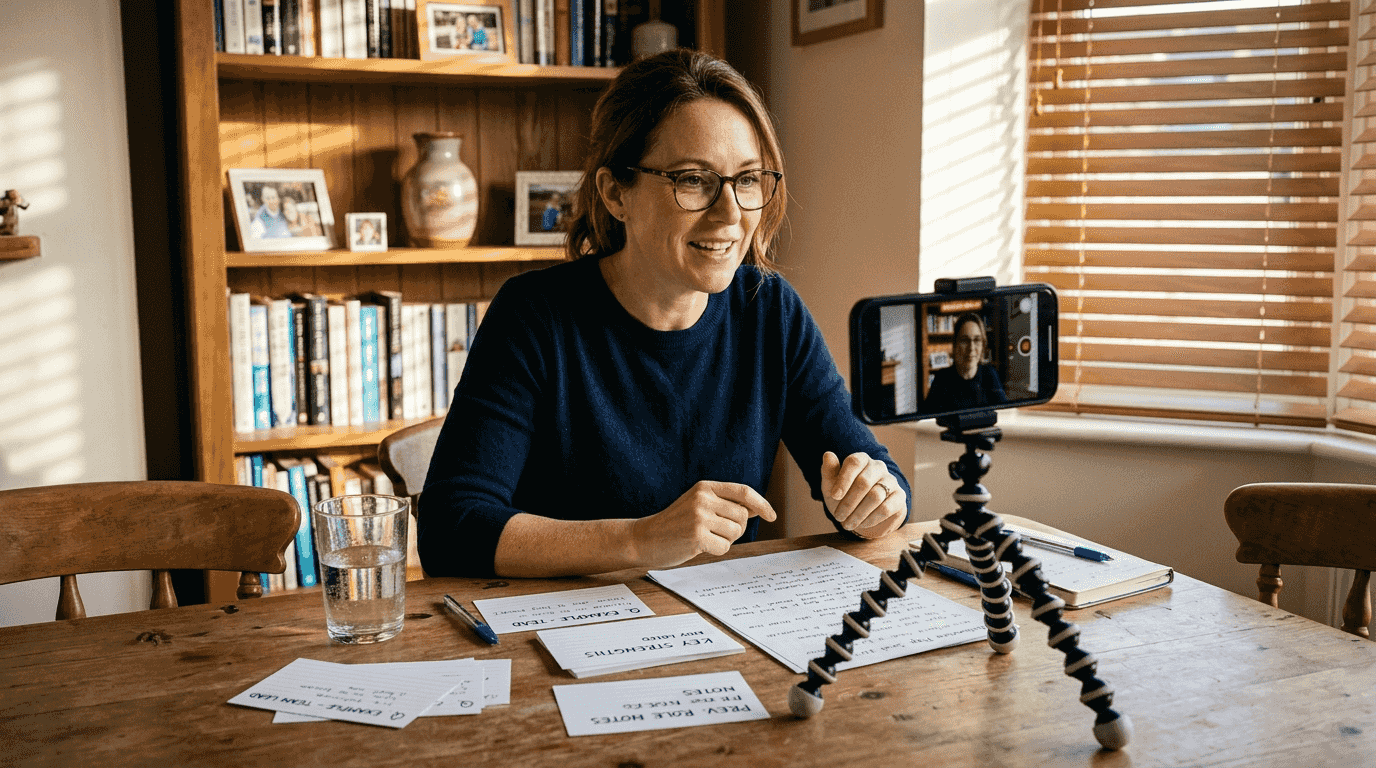
Self-guided practise involves recording yourself answering common interview questions and reviewing the footage critically. This approach builds comfort with hearing your own voice and seeing yourself on camera, which many professionals find initially uncomfortable. You control the environment completely, making it easier to experiment with different approaches and identify patterns in your delivery. The limitation lies in objective feedback, as self-assessment often misses blind spots or overemphasises minor issues.
| Method | Best for | Key limitation | Typical cost |
|---|---|---|---|
| Peer practise | Realistic interaction, spontaneous follow-ups | Feedback quality varies widely | Free to low |
| AI platforms | Consistent expert feedback, privacy, convenience | Less human spontaneity | £20-£100/month |
| Self-guided | Building camera comfort, flexible scheduling | Limited objective critique | Free |
| Professional coaching | Personalised strategy, senior-level nuance | Higher investment, scheduling constraints | £100-£300/session |
Most successful candidates combine methods rather than relying on a single approach. You might use AI mock interview confidence tools to identify specific weaknesses, peer sessions to practise authentic conversation flow, and self-recording to refine your delivery between formal practise rounds.
Consider your timeline and budget when selecting methods. If you’re actively interviewing, prioritising quick feedback loops through AI platforms or frequent peer sessions accelerates improvement. For longer-term preparation, self-guided work builds foundational comfort before investing in more intensive methods.
Pro tip: Record every peer practise session so you can review your performance independently afterwards, combining the benefits of human interaction with self-analysis opportunities.
The most effective practise replicates actual interview conditions as closely as possible. Use the same technology setup, dress professionally, and treat sessions seriously rather than casually. This approach helps you practise confidence on camera under realistic pressure, making actual interviews feel more familiar and manageable.
Building camera confidence: tips and techniques for authentic on-screen presence
Developing genuine, engaging presence on camera requires both technical preparation and mindset shifts that help you connect authentically with interviewers despite the digital barrier. The most effective strategies address the psychological and practical dimensions of virtual communication simultaneously.
Mindset fundamentally shapes how you appear on camera. Camera confidence is a learned skill that improves through practise and intentional perspective shifts, not an innate talent. Reframing the camera as a conversation partner rather than a judgmental observer reduces anxiety and helps you project natural warmth. Many professionals find it helpful to imagine speaking to a trusted colleague or mentor, bringing the same energy and tone they would use in comfortable professional settings.
Technical preparation eliminates avoidable distractions that undermine credibility:
- Test all technology at least 30 minutes before your interview, including camera, microphone, internet connection, and platform functionality
- Position your camera at eye level to create natural sight lines and avoid unflattering angles that suggest lack of preparation
- Ensure adequate lighting that illuminates your face evenly without harsh shadows or backlighting that obscures your expressions
- Choose a clean, professional background that doesn’t compete for attention or reveal personal details that might bias interviewers
- Eliminate potential interruptions by securing your space, silencing devices, and informing household members of your schedule
Your on-screen energy significantly impacts how interviewers perceive your enthusiasm and fit for senior roles. Slightly amplifying your natural expressiveness compensates for the flattening effect of video, helping you appear engaged rather than passive. Focus on varying your tone, maintaining open facial expressions, and using measured gestures that stay within frame. Speaking slightly slower than usual improves clarity and projects thoughtfulness rather than nervousness.
Eye contact presents a unique challenge in virtual settings. Looking directly at the camera lens, rather than the interviewer’s image on screen, creates the impression of eye contact for the viewer. This feels unnatural initially but becomes comfortable with practise. Placing key notes near your camera helps you reference information while maintaining approximate eye contact.
Pro tip: Place a small sticky note with a smiley face next to your camera lens to remind yourself to look at the camera and maintain a warm expression throughout the conversation.
Preparing thoughtful questions demonstrates engagement and strategic thinking. Rather than generic enquiries, develop questions that reflect genuine curiosity about the role, team dynamics, or organisational challenges. This preparation signals senior-level thinking and helps you evaluate fit authentically.
“Speaking out loud regularly, even when practising alone, builds fluidity and confidence that translates directly to interview performance under pressure.”
Common virtual interview mistakes include appearing distracted by your own image, failing to pause appropriately between thoughts, and neglecting to check your framing before the conversation begins. Recording practise sessions helps you identify these patterns and develop more polished delivery. Pay particular attention to filler words, which become more noticeable on camera and can undermine perceptions of confidence.
Authenticity remains your strongest asset. Interviewers value genuine connection over perfect performance, so focus on communicating your actual experience and perspective clearly rather than projecting an artificial persona. Master online practise helps you find the balance between polish and authenticity that resonates with senior-level decision makers.
How targeted practise improves your performance and confidence in mid-to-senior interviews
Consistent, focused interview practise produces measurable improvements in both objective performance metrics and subjective confidence levels that directly influence hiring outcomes. Understanding these benefits helps you prioritise preparation even when time feels scarce during active job searches.
Data demonstrates the significant impact of preparation on success rates. Video interview practise boosts hiring chances by 25% in 2026, reflecting how thoroughly prepared candidates outperform those who rely solely on experience or natural ability. This advantage compounds for senior roles where competition intensifies and interviewers expect polished communication.
Practised candidates show measurably clearer delivery across multiple dimensions:
- Reduced filler words and verbal hesitations that signal uncertainty
- Improved answer structure with clear opening statements and logical flow
- Better pacing that allows interviewers to absorb information without feeling rushed
- More precise language that demonstrates command of subject matter
- Stronger closing statements that reinforce key messages
Confidence improvements extend beyond delivery mechanics to fundamental comfort with the interview process itself. Feeling underprepared ranks among the most common negative experiences in technical interviews, creating anxiety that undermines performance regardless of actual qualifications. Regular practise directly addresses this concern by building familiarity with question formats, pressure situations, and your own response patterns.
| Practise frequency | Confidence improvement | Delivery clarity gain | Average preparation time |
|---|---|---|---|
| No formal practise | Baseline | Baseline | 2-3 hours |
| 1-2 sessions | Moderate (15-20%) | Low (10-15%) | 4-6 hours |
| 3-5 sessions | Significant (35-45%) | Moderate (25-35%) | 8-12 hours |
| 6+ sessions | Substantial (50-60%) | High (40-50%) | 15+ hours |
The virtual hiring process itself creates efficiency gains that benefit prepared candidates. Remote hiring statistics show that companies cut time-to-offer by 30% through virtual processes, meaning decisions happen faster and first impressions carry greater weight. Candidates who present confidently from initial screening through final rounds maintain momentum that less-prepared competitors struggle to match.
Practise also improves your ability to articulate complex problems and solutions clearly, a critical skill for senior roles where strategic communication matters as much as technical expertise. Working through challenging questions repeatedly helps you identify the most compelling framing for your experience and develop concise explanations that resonate with diverse audiences.
The psychological benefits of preparation extend into the interview itself. Knowing you’ve invested time practising reduces anxiety and frees mental resources for authentic engagement rather than self-monitoring. This shift allows you to listen more carefully to questions, respond more thoughtfully, and build genuine rapport with interviewers rather than simply surviving the conversation.
Targeted practise addresses specific weaknesses more efficiently than general preparation. If you struggle with conciseness, focused sessions on answer structure yield faster improvement than broad interview reading. If camera presence concerns you, deliberate work on tone and expression produces visible results within days. This precision makes practise accessible even during busy job searches when time feels limited.
How Pavone Academy helps you master on-camera interview practise
After exploring the proven benefits of structured interview practise, you might wonder how to access expert guidance tailored specifically to mid-to-senior professional challenges. Pavone Academy offers comprehensive courses designed to build confident digital communication and authentic camera presence through practical, actionable techniques.
Our interview practise confidence on camera course provides step-by-step frameworks for developing the on-screen presence that resonates with senior-level interviewers. You’ll learn to manage nervous energy, project natural authority, and communicate complex ideas with clarity under pressure.
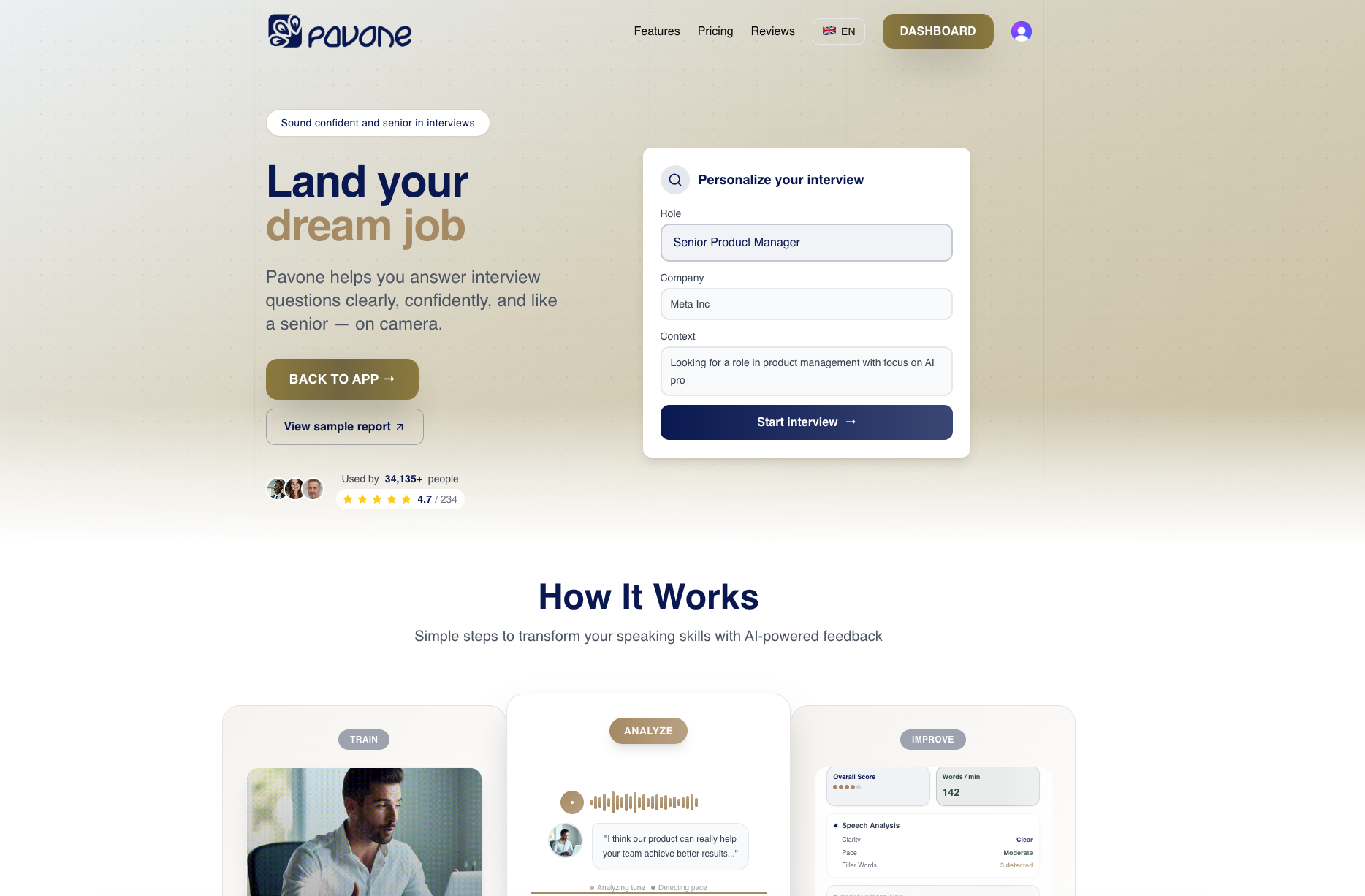
The Academy combines expert instruction with AI-driven mock interview simulations that analyse your delivery across multiple dimensions, offering specific feedback you can implement immediately. Whether you’re preparing for your first virtual interview or refining your approach after initial rounds, our interview preparation guide walks you through proven strategies that accelerate improvement. Explore how to master interview online practise and transform preparation time into measurable performance gains.
Frequently asked questions
What are the most effective ways to practise interviews on camera?
Use a mix of AI mock interviews, peer-to-peer sessions, and self-recording to simulate real conditions effectively. AI platforms provide consistent expert feedback on delivery, structure, and confidence markers, while peer practise replicates human interaction and spontaneous follow-ups. Self-recording builds comfort with your on-camera presence and helps you identify patterns in your communication. Combining these methods addresses different aspects of interview performance more comprehensively than relying on a single approach. Regular online interview practise confidence sessions with structured feedback accelerate improvement most effectively.
How can I improve my camera presence during virtual interviews?
Focus on natural tone, expression, and energy rather than just appearance, as interviewers respond to authentic engagement more than perfect visual presentation. Test your technology setup thoroughly in advance, including camera angle, lighting, and audio quality, to eliminate distractions that undermine credibility. Prepare thoughtful questions that demonstrate genuine interest in the role and organisation, signalling senior-level strategic thinking. Practise looking directly at the camera lens rather than your own image to create the impression of eye contact. Work on improving camera presence through regular recording sessions where you review and refine your delivery systematically.
Does using AI tools like ChatGPT improve interview performance?
No significant performance advantage was observed for candidates using ChatGPT during interviews compared to controls, according to research published in Nature Digital Medicine. The study found that relying on AI assistance during live conversations can actually hinder authentic engagement and natural flow. Instead of seeking shortcuts through AI prompts during interviews, focus on practising your communication skills and on-camera presence beforehand. Genuine preparation that builds your ability to articulate experience clearly and respond thoughtfully to unexpected questions produces better outcomes than real-time AI assistance.
What common mistakes should I avoid in virtual interviews?
Always test your technology setup at least 30 minutes beforehand to avoid glitches with camera, microphone, or internet connection that immediately undermine credibility. Failing to test technology and arriving with unprepared questions consistently reduce candidate perception among hiring managers. Prepare thoughtful, role-specific questions that demonstrate you’ve researched the organisation and thought strategically about how you’d contribute. Avoid appearing unprepared by practising your answers to common questions thoroughly, focusing on clear structure and concise delivery. Don’t neglect your background, lighting, and camera angle, as these technical elements significantly impact how professional and engaged you appear throughout the conversation.
Recommended
Ready to practice?
Start improving your speaking skills with AI-powered feedback and analysis.
Try Pavone Free